In short
Buying a €350,000 resale home in Alicante with 70% non-resident financing needs about €141,750 in cash: a €105,000 deposit, €31,500 of Valencian transfer tax at 9% and roughly €5,250 in costs. Since 1 June 2026 homes above €1,000,000 pay 11% on the whole value. Alicante averaged €2,721/m² in August 2026.
The short answer
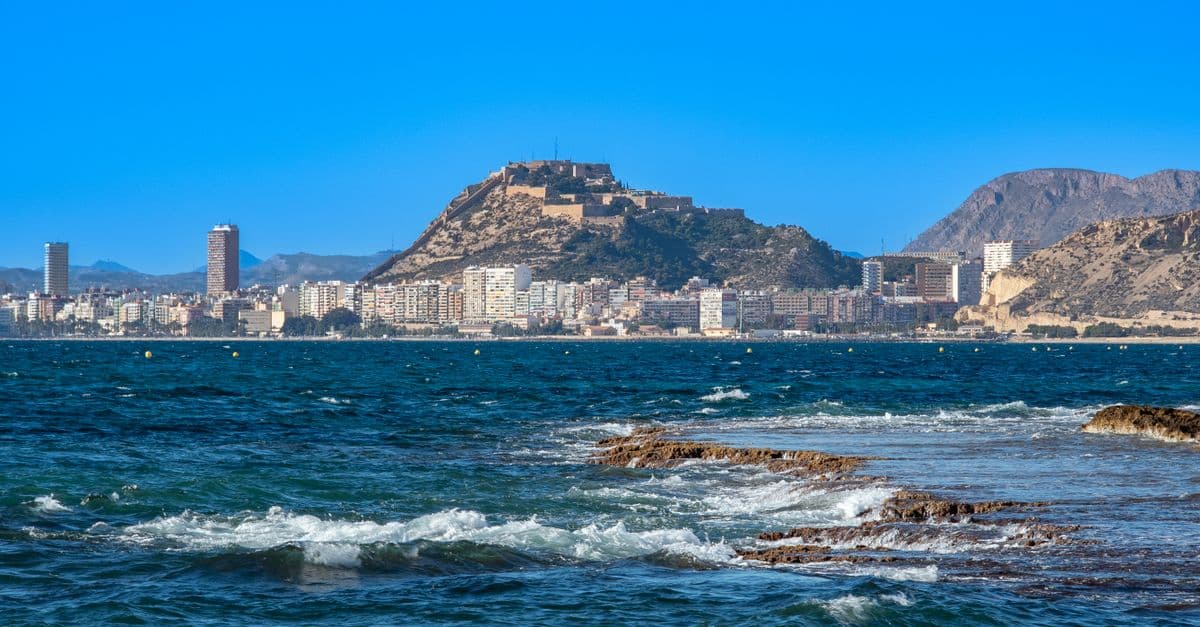
Alicante and the Costa Blanca, from Dénia and Jávea in the north to Torrevieja in the south, are among the most popular areas in Spain for international buyers. For a buyer financing with a Spanish mortgage, two figures shape the budget: the deposit, because lenders typically finance 60–70% for non-residents, and the Valencian transfer tax, which changed on 1 June 2026.
The general rate on resale homes is now 9%. Above €1,000,000, it is 11% on the whole value, not just on the part above the threshold.
What money buys in Alicante
Alicante city reached €2,721 per m² in August 2026, its highest level on record, according to idealista. At that average:
| Budget | Approximate size at €2,721/m² |
|---|---|
| €250,000 | 92 m² |
| €350,000 | 129 m² |
| €500,000 | 184 m² |
That figure is for the city. Jávea, Altea, Moraira or Dénia can be priced very differently, and a sea-view villa and an inland flat in the same town can sit far apart per square metre. The lender values the specific property, and the mortgage is based on the lower of price and valuation. Our areas guide compares prices and taxes across the coast.
Valencian purchase taxes since 1 June 2026
The Valencian Government’s 2026 tax changes set these general rates:
| Property | Tax | Rate |
|---|---|---|
| Resale home up to €1,000,000 | Transfer tax (ITP) | 9% |
| Resale home above €1,000,000 | Transfer tax (ITP) | 11% on the whole value |
| New build from a developer | VAT | 10% |
| New build from a developer | Stamp duty (AJD) on the deed | 1.4% |
The 11% rate is not a band. It applies to the entire value once the threshold is crossed, which creates a sharp step:
| Value | Rate | Transfer tax |
|---|---|---|
| €1,000,000 | 9% | €90,000 |
| €1,050,000 | 11% | €115,500 |
€50,000 more in price means €25,500 more in tax. If you are negotiating around that figure, check the taxable value with our partner lawyer before agreeing a price.
Below €1,000,000, the Valencian rate is lower than the first Catalan band of 10%: on €350,000, that is €31,500 against €35,000. Reduced rates exist for specific buyers, but they are linked to a main residence and do not apply to a second home.
A worked example: €350,000 resale, non-resident buyer
| Item | 60% financing | 70% financing |
|---|---|---|
| Price | €350,000 | €350,000 |
| Mortgage | €210,000 | €245,000 |
| Deposit you fund | €140,000 | €105,000 |
| Transfer tax (9%) | €31,500 | €31,500 |
| Notary, registry, valuation and other costs (~1.5%) | €5,250 | €5,250 |
| Cash needed | €176,750 | €141,750 |
Plan the 60% column until a lender has assessed your case and the valuation is known. If the valuation comes in at €330,000, 70% gives a €231,000 loan, and you fund the other €14,000.
Under Law 5/2019, the lender pays the notary fees for the mortgage deed, its registration and the agency that processes it; you pay the valuation. Try your own figures in the purchase costs calculator and set it to the Valencian Community.
Resale or new build?
The Costa Blanca has plenty of new developments, particularly in the south. The tax is higher and the cash arrives in a different order:
| Item on €350,000 | Resale | New build |
|---|---|---|
| Purchase tax | €31,500 (9% ITP) | €39,900 (10% VAT + 1.4% AJD) |
| When you pay the deposit | At the deposit contract | In stages during construction |
| When the mortgage is signed | At completion | At handover, once the building is finished |
With a new build, the lender values the finished property close to handover. Staged payments usually come from your own funds, and the mortgage offer can only be final once the valuation is done.
The plusvalía and the 3% withholding
Many sellers on the Costa Blanca are themselves foreign owners. Two items matter when the seller is not resident in Spain.
The municipal plusvalía. This local tax on the increase in land value is normally paid by the seller, under article 106 of the Local Finance Act. When the seller is an individual not resident in Spain, the law makes the buyer the substitute taxpayer. In practice, the amount is estimated and withheld from the price at completion.
The 3% withholding. When the seller is a non-resident without a permanent establishment in Spain, the buyer must withhold 3% of the price and pay it to the Spanish Tax Agency on form 211 within one month, under article 25.2 of the Non-Resident Income Tax Act. On €350,000, that is €10,500. If it is not paid, the property itself remains liable for it.
Neither is an extra cost for you, because both come out of what the seller receives. But if they are missed, the buyer can be held responsible. Our partner lawyer confirms the seller’s status and the amounts before signing.
What lenders look at on the Costa Blanca
The location matters less than the file. A Spanish lender assessing a non-resident looks at:
- stable net income and its currency, with tax returns from your country of residence;
- existing debts, including the mortgage on your main home;
- the cash for the deposit and costs, and where it comes from;
- the use of the property: a second home is assessed on your income, and expected holiday-rental income rarely counts in full;
- the term, which can be shorter for non-residents and depends on your age at the end of the loan.
If you plan to let the property to tourists, check the Valencian and municipal rules with our partner lawyer before you buy. Our guide to second-home mortgages explains why lenders are more conservative with holiday homes.
Timing
A typical resale purchase follows three steps: a reservation, a deposit contract, commonly around 10% of the price, and completion at the notary, where the mortgage is signed the same day.
Law 5/2019 gives you at least ten calendar days with the mortgage documents before you are bound, and requires a visit to the notary in that period for an explanation of the terms. Agree the completion date only once the financing timetable is clear, and have your lawyer review any financing condition in the deposit contract.
How RCG coordinates it
RCG Finance is a real-estate credit intermediary registered with the Bank of Spain under number E760. Our office is in Salou, and we work with non-resident buyers along the whole coast, including Alicante and the Costa Blanca. Our team attends the notary signing in person.
We prepare the mortgage file once and present it to the lenders that finance non-residents. Around it we coordinate:
- our partner lawyer, for the NIE, the Spanish bank account, a power of attorney if you cannot travel, the plusvalía and withholding checks, and the review of the contracts;
- a currency exchange partner, to convert and send the deposit and costs in euros, and provide transfer confirmations that form part of the payment trail the lender and notary ask for.
We do not give legal or tax advice. Your lawyer or tax adviser will confirm any point specific to your situation.
What to do next
Start with the purchase costs calculator and set it to the Valencian Community. Then gather your documents with the non-resident mortgage checklist.
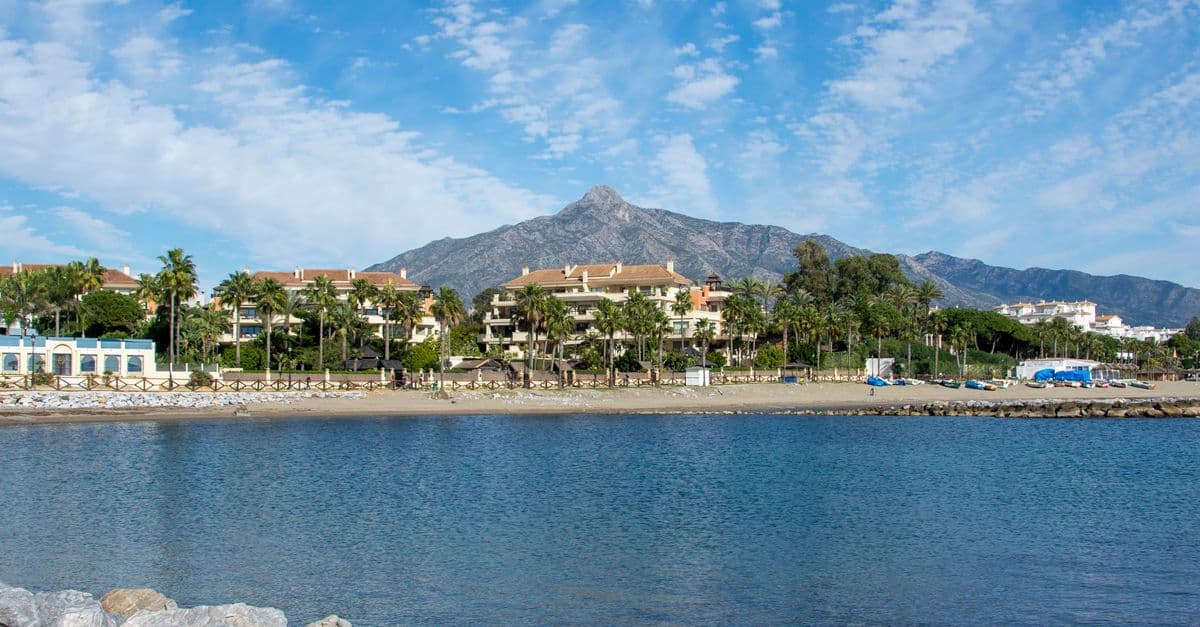
If you are comparing the Costa Blanca with other parts of the coast, the areas guide sets out prices and taxes side by side, and our Marbella guide covers the Costa del Sol. When the numbers work, our non-resident mortgage service puts the file in front of the right lenders.
Sources and review
Prepared by the RCG Finance editorial team (RCG 2026 S.L., Bank of Spain register of credit intermediaries no. E760) and reviewed by Rafael, founder of RCG Finance and former debt and M&A advisor at KPMG and PwC, under our editorial standards. Last source review: 22 September 2026.
- idealista/news — Alicante reaches €2,721/m² in August 2026
- Valencian Government — 2026 tax changes
- Spanish Official Gazette — VAT Act, article 91
- Spanish Official Gazette — Local Finance Act, article 106 (plusvalía)
- Spanish Official Gazette — Non-Resident Income Tax Act, article 25.2
- Spanish Official Gazette — Law 5/2019 on real-estate credit
Frequently asked questions
What is the transfer tax in Alicante?
Alicante is in the Valencian Community. Since 1 June 2026 the general transfer tax on resale homes is 9%, rising to 11% on the whole value when the property is worth more than €1,000,000. New builds pay 10% VAT plus 1.4% stamp duty instead.
Does the 11% rate apply only to the part above €1 million?
No. It is not a band. When the value exceeds €1,000,000, 11% applies to the entire value. A €1,050,000 home pays €115,500, against €90,000 for a €1,000,000 one.
How much can a non-resident borrow for a Costa Blanca home?
Spanish lenders typically finance 60–70% of the lower of price and valuation for non-residents, subject to affordability. It is never guaranteed, so plan the 60% case first.
Does RCG work in Jávea, Altea or Dénia?
Yes. RCG Finance is based in Salou and works with non-resident buyers along the whole coast, including the Costa Blanca. Documents are exchanged online, and our team attends the notary signing in person.