
Spanish mortgages, explained for international buyers.
Evidence-led guides on the numbers, documents and lender decisions behind buying or refinancing property in Spain.
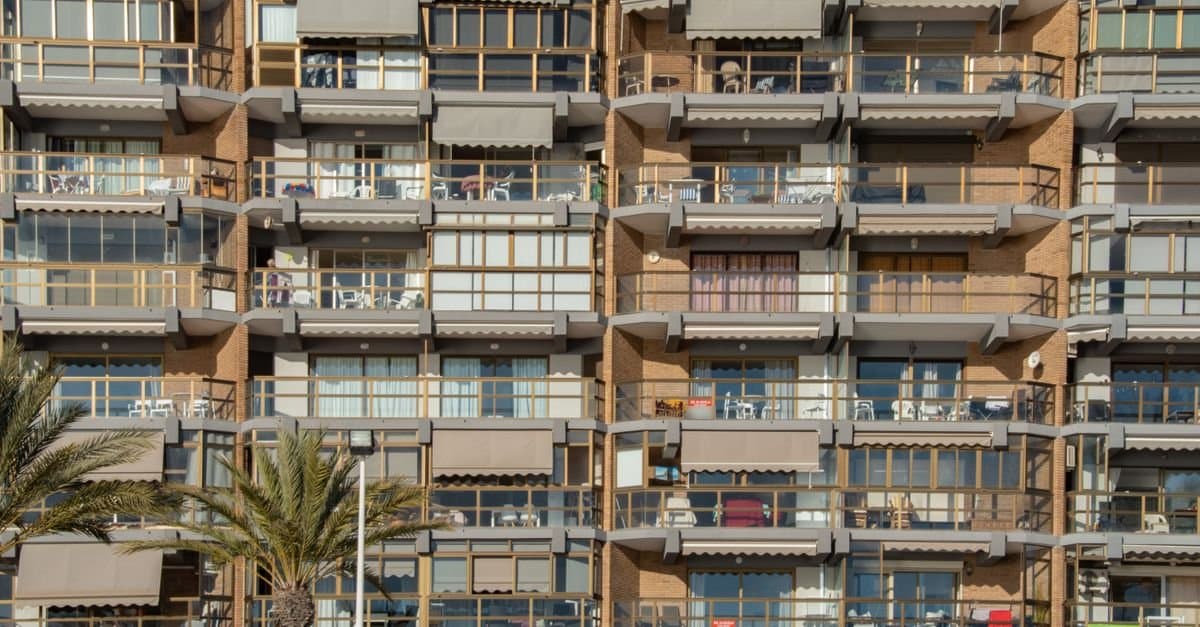
Buy-to-let mortgages in Spain for non-residents: deposit, rental income and licences
Spanish lenders will finance a home you plan to let, but they size the loan on the income you already have. Whether you may let to tourists depends on the region, the town hall and your neighbours.
Read guide →
The Spanish mortgage process for non-residents: steps and timeline
Most of a Spanish mortgage timetable depends on how well the file is prepared. The last ten days are fixed by law. This is what happens each week, and what slows it down.
Read guide →
Irish buyers: financing a Spanish property from Ireland
Irish buyers earn in euros and pay the EU rate of Spanish non-resident tax. What decides the file is the mortgage you already have at home, the documents from Revenue and the cash for the deposit.
Read guide →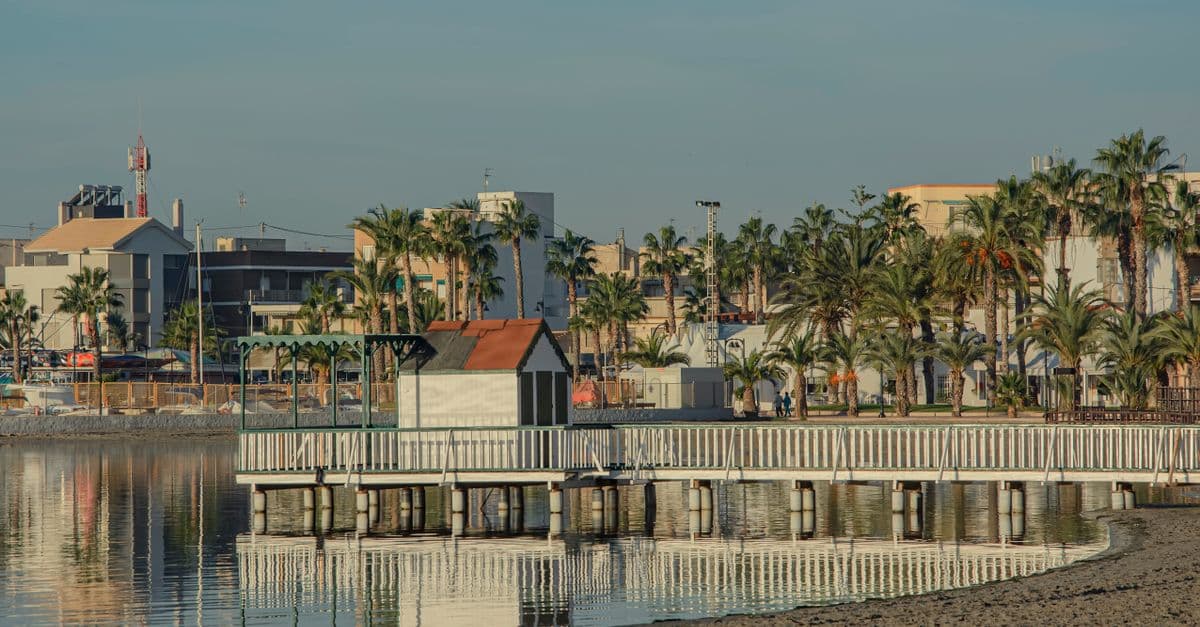
Buying property in Murcia and the Mar Menor with a Spanish mortgage
The coast from Torrevieja to Cartagena crosses a regional border, and the purchase tax changes with it. This is what that means for a buyer with a Spanish mortgage.
Read guide →
Buying property in Mallorca and the Balearic Islands with a Spanish mortgage
The Balearic Islands have the highest share of foreign buyers of any Spanish region and some of its highest prices. Purchase tax rises in bands, and on larger loans the valuation and the deposit decide the budget.
Read guide →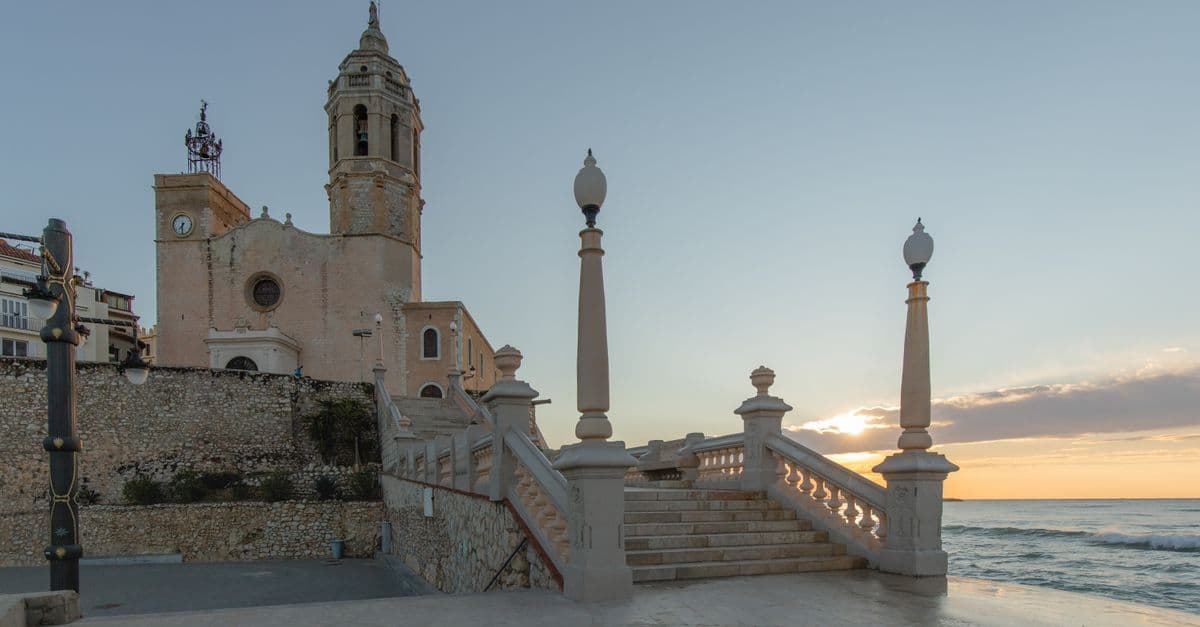
Buying in Sitges with a Spanish mortgage
Above €4,800/m², Sitges is where two lines cross that rarely meet elsewhere in Catalonia: transfer tax stops being a flat 10%, and the valuation can fall short of the price.
Read guide →
Buying in Barcelona as an expat: what you need
At €5,440/m², an 80 m² flat in Barcelona costs about €435,200. Whether the lender treats you as a resident or a non-resident decides how much of it you fund yourself.
Read guide →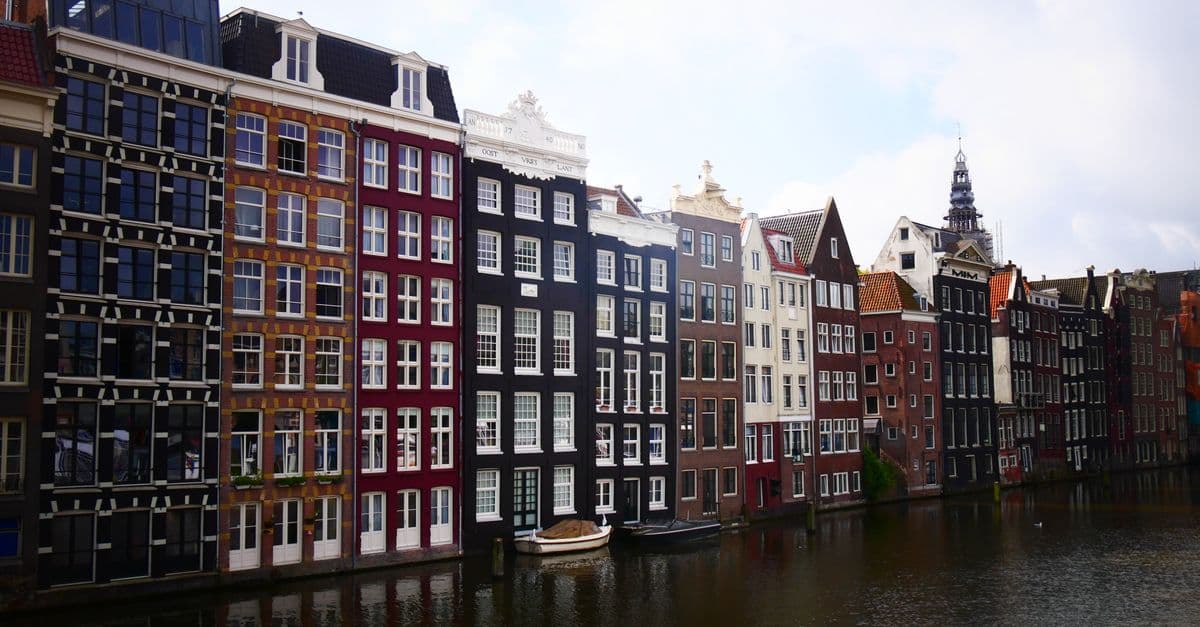
Dutch and Belgian buyers: financing a Spanish property
Buyers from the Netherlands and Belgium earn in euros and pay the EU rate of Spanish non-resident tax. The real decisions are how to finance, how much cash to hold back and which treaty applies.
Read guide →
Nordic buyers: Swedish, Norwegian, Danish and Finnish buyers in Spain
Nordic buyers share a tax rate in Spain but not a currency or a treaty position. A Finn earns in euros, a Dane in a pegged krone, and a Swede or Norwegian carries real exchange-rate risk.
Read guide →
French and German buyers: buying and financing in Spain
German and French buyers earn in euros and pay the EU rate of Spanish tax. What slows their files down is usually paperwork: documents in another language and a timetable set before the financing is ready.
Read guide →
Foreign income and a Spanish mortgage: what lenders accept
A salary, pension or business income earned outside Spain can support a Spanish mortgage. What matters is whether the lender can verify it, read it and trust it to last.
Read guide →
Non-resident taxes after buying in Spain (IRNR, IBI and more)
Buying is not the last tax bill. A non-resident owner pays Spanish tax every year, even if the home stands empty, and the rules change if you rent it out or sell.
Read guide →
Non-resident mortgages on the Costa Brava
One in four homes bought in the province of Girona in 2025 went to a foreign buyer. For a non-resident, the deposit and the Catalan tax bands decide the budget.
Read guide →
Buying in Valencia with a Spanish mortgage
Valencia city is close to its price record, and its transfer tax changed in June 2026. For a non-resident, the deposit still decides the budget.
Read guide →
NIE and a Spanish bank account: step by step for property buyers
Two small pieces of paperwork hold up more Spanish purchases than any mortgage decision: the NIE and the bank account. Both are simple if you start early.
Read guide →
Buying without travelling: power of attorney in Spain
You do not have to fly to Spain to sign a purchase or a mortgage. You do need a power of attorney that a Spanish notary will accept on the day.
Read guide →
Buying property in Spain from the UK after Brexit: mortgages and tax
Brexit did not close Spanish mortgages to British buyers. It changed how long you can stay, how your Spanish property is taxed and how lenders read income in pounds.
Read guide →
Swiss buyers: CHF income, currency risk and Spanish mortgages
For a buyer paid in Swiss francs, the Spanish mortgage is the easy part. The currency, the tax category and the cash plan need more thought.
Read guide →
Buying property in Alicante and the Costa Blanca with a Spanish mortgage
Alicante combines rising prices with one of the lower transfer taxes on the coast. A new Valencian rule at €1 million is the detail most buyers miss.
Read guide →
Moving money to Spain to buy property: exchange rates and proof of funds
The money for a Spanish purchase has to arrive on time, in euros and with a paper trail that a lender, a notary and a compliance team can all follow.
Read guide →
Can Americans buy property in Spain? Mortgages, FATCA and how it gets done
FATCA makes some Spanish lenders cautious with American clients. It does not make a mortgage impossible: it makes the right lender and a complete file essential.
Read guide →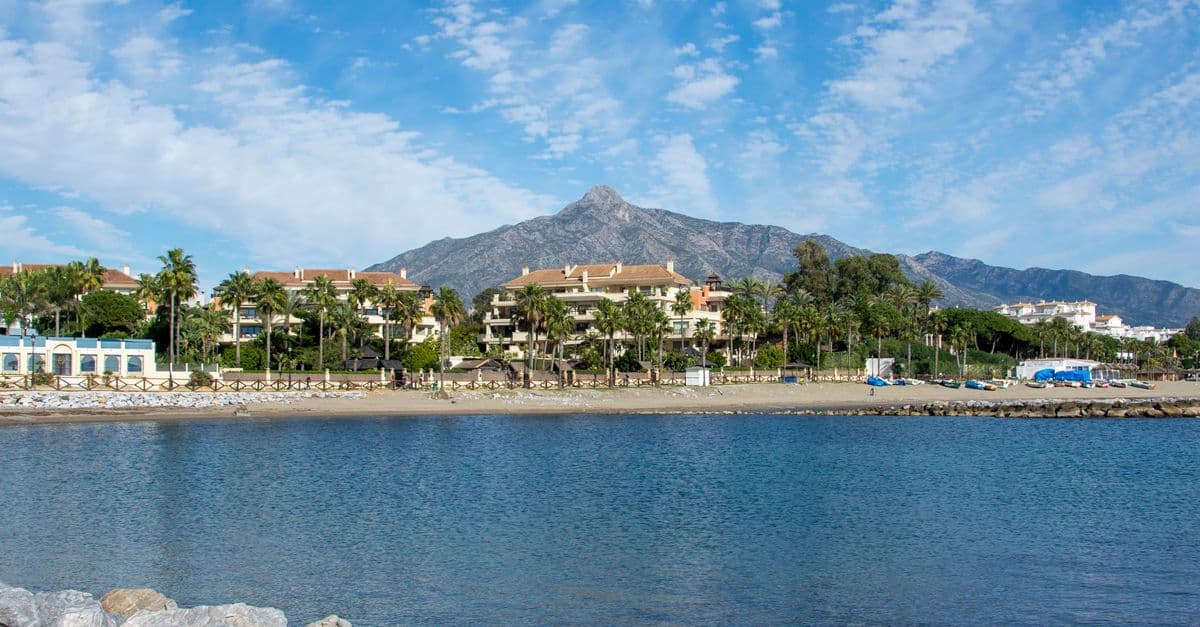
Buying property on the Costa del Sol and in Marbella with a Spanish mortgage
Marbella combines high prices with one of Spain’s simpler transfer taxes. The deposit is what decides the budget for a non-resident buyer.
Read guide →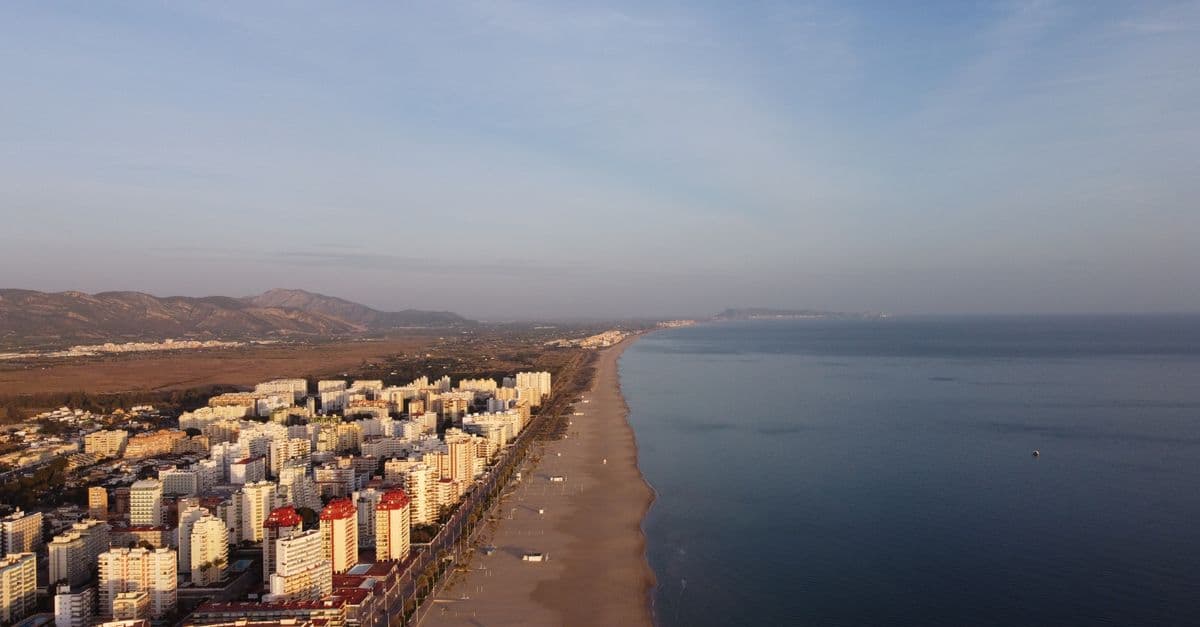
How to get a mortgage in Spain as a foreigner: a practical guide
Living abroad does not prevent you from financing a Spanish property. It does change how the bank assesses the case and how much cash and documentation you should prepare.
Read guide →
Buying property in Spain: costs beyond the purchase price
The property price and the mortgage do not describe the full cash requirement. Taxes, the unfinanced deposit and transaction costs need their own budget.
Read guide →
Mortgage broker fees in Spain: what should the service include?
A fee cannot be judged without the scope, trigger and economic result. The important question is what work is included and when payment becomes due.
Read guide →
Getting a mortgage in Spain when you are self-employed
A lender is not only checking last year’s profit. It is trying to decide whether the income is repeatable and whether the business and personal cash flow remain resilient.
Read guide →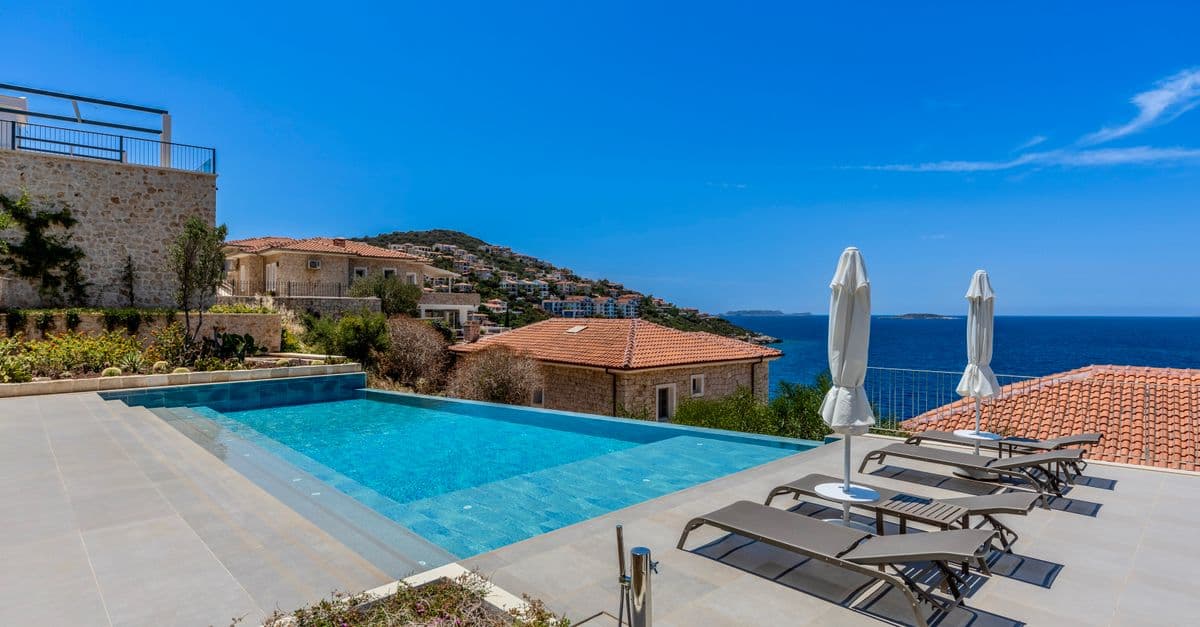
Buying a holiday home in Spain: mortgage, deposit and costs
A holiday home is assessed alongside the housing costs you already carry. The lender will test whether the second payment remains affordable without optimistic rental income.
Read guide →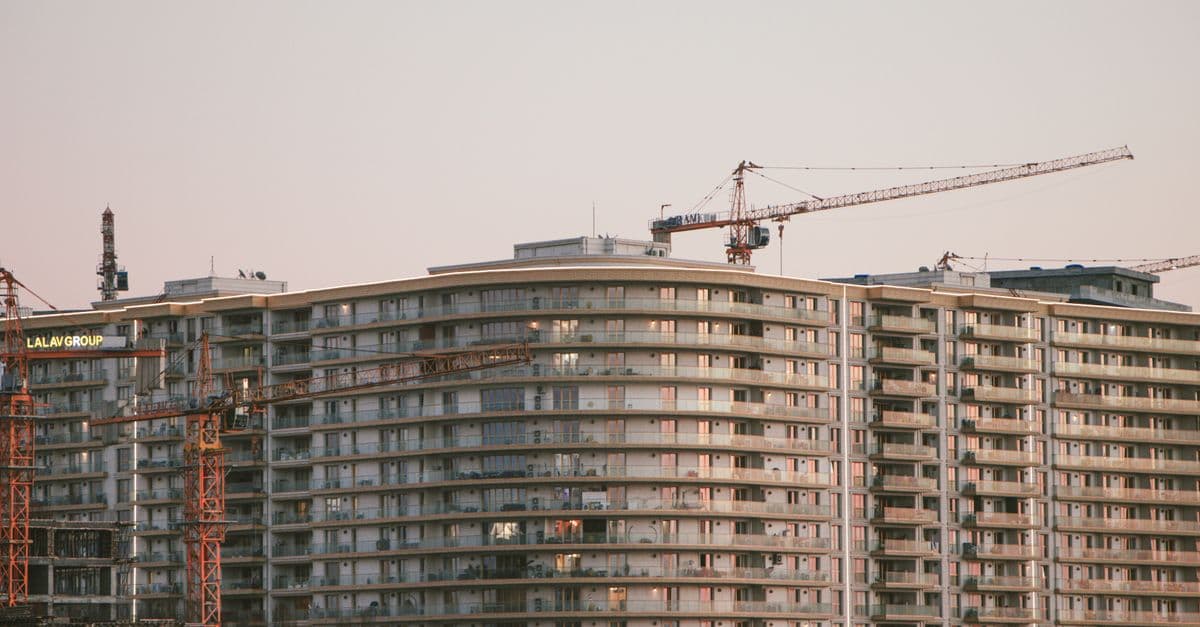
Self-build mortgages in Spain: how staged funding works
A self-build mortgage does not release all funds on day one. The lender assesses the plot, licensed project, budget and borrower, then normally releases money as certified work progresses.
Read guide →
Financing a commercial property purchase in Spain
Commercial-property finance is not a residential mortgage with a different label. The lender looks at the asset, business, lease or operating cash flow and exit route together.
Read guide →
How to find the best mortgage in Spain in 2026
There is no single best mortgage for everyone. The useful comparison starts with the same loan, term and ownership horizon, then includes every required product.
Read guide →
LTV and DTI in a Spanish mortgage: the two ratios to understand
LTV describes the loan against the property value. DTI describes debt payments against income. A viable mortgage normally needs both the asset and the household budget to work.
Read guide →
Euribor in 2026: how it affects a Spanish mortgage
Euribor does not change every Spanish mortgage in the same month. Your deed determines the reference, spread, review date and calculation.
Read guide →
Buying in Salou with a Spanish mortgage: Costa Daurada guide
A practical guide to the cash, property use and lender evidence to prepare before buying in Salou.
Read guide →
Buying property in Reus: prepare the purchase before applying
A Reus purchase needs the full cash requirement and lender file tested before a short contract deadline turns into financing pressure.
Read guide →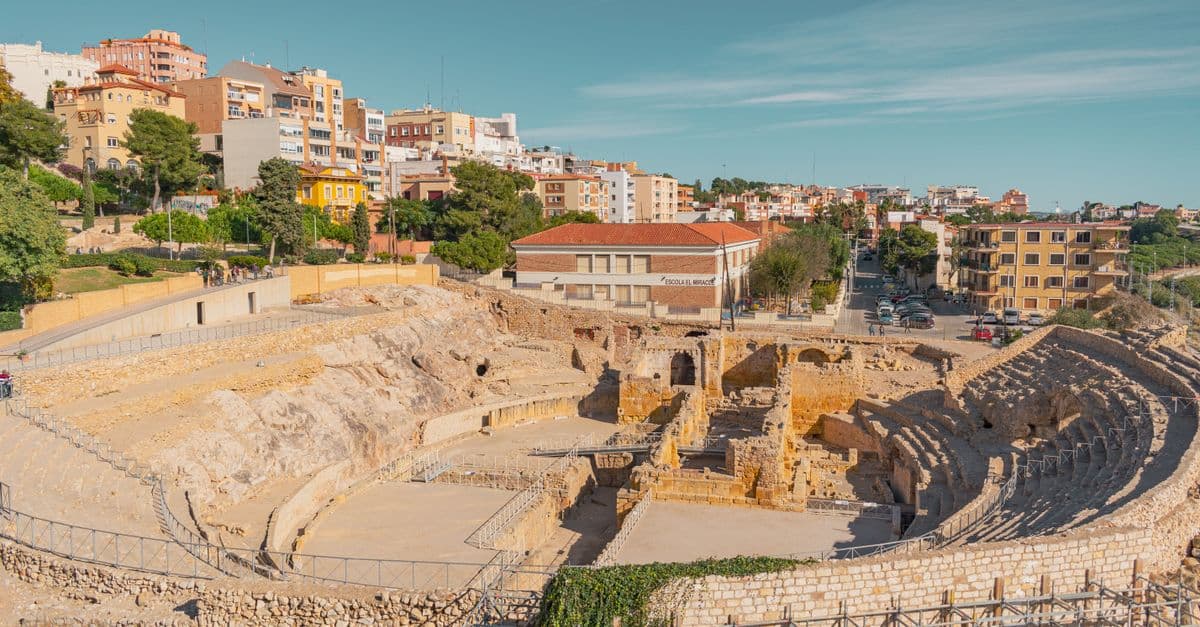
Buying property in Tarragona with a Spanish mortgage
Before choosing a mortgage, work out the total cash requirement and make the purchase contract, valuation and lender timetable agree.
Read guide →
Mortgage subrogation in Spain: switching banks step by step
Moving a mortgage to another Spanish lender can improve conditions, but the decision must compare the full remaining cost and the current bank’s response.
Read guide →Buying a new build off-plan in Spain: mortgage timing and risks
An off-plan reservation can happen long before the bank can issue a final mortgage offer. Savings, guarantees and completion finance need separate planning.
Read guide →
Bridge mortgages in Spain: buying before you sell
A bridge structure can solve timing, but only if the existing home, new purchase, interim cash flow and sale assumptions remain credible under stress.
Read guide →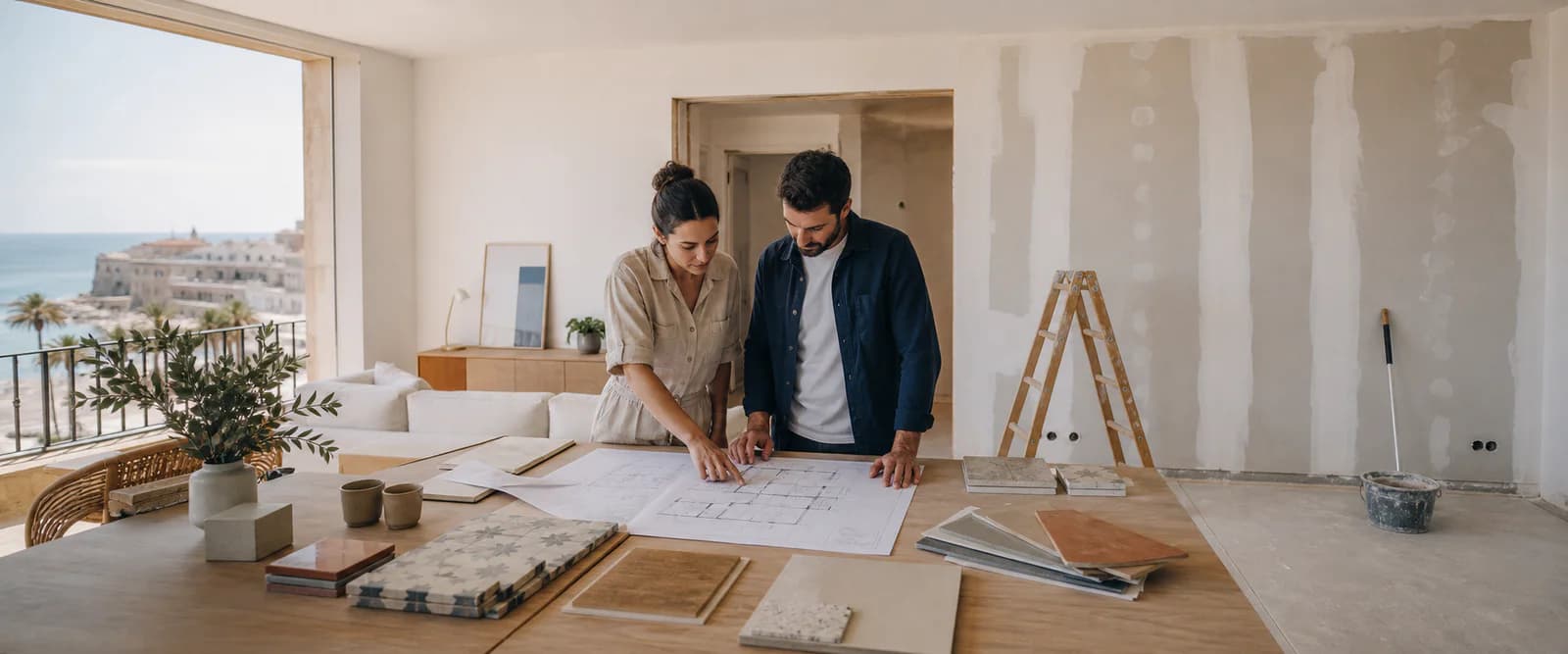
Mortgage finance to buy and renovate property in Spain
The bank may value today’s property, not the home imagined after renovation. Purchase funds and works funds need a structure the lender actually accepts.
Read guide →
Buying property in Spain as a couple with unequal deposits
Ownership percentage and responsibility to the lender are not the same question. Decide contributions, title and future scenarios before signing.
Read guide →
Arras and mortgages in Catalonia: protect the property deposit
A mortgage application does not automatically protect a property deposit. The contract wording and deadlines determine what happens if finance is unavailable.
Read guide →