
In short
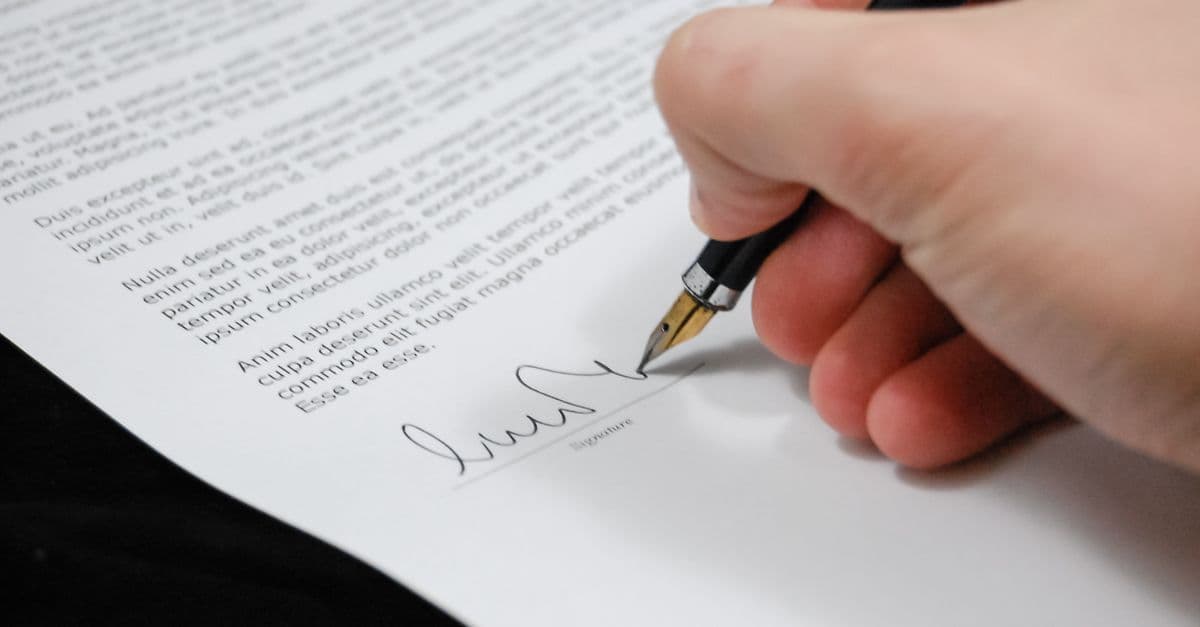
You can buy in Spain without travelling by granting a power of attorney. Sign it at a Spanish consulate, which needs no apostille, or before a local notary with the Hague Apostille under the 1961 Convention and, usually, a sworn translation. The Spanish notary then judges whether the powers are sufficient for the purchase and the mortgage.
The short answer
You do not have to be in Spain to buy a Spanish property or sign its mortgage. You can grant a power of attorney to someone you trust, often a lawyer, who signs for you before the Spanish notary.
There are two ways to grant it from abroad. At a Spanish consulate, where the consul acts as a Spanish notary and no apostille is needed. Or before a local notary in your country, in which case the document needs the Hague Apostille and, if it is not in Spanish, a sworn translation. Either way, the Spanish notary on the day decides whether the powers are sufficient.
What a power of attorney does in a purchase
A power of attorney authorises a representative to act in your name. For a property purchase with a mortgage, it may need to cover several steps:
- applying for your NIE and the certificate of non-residence;
- opening a Spanish bank account and making payments;
- signing the deposit contract and the purchase deed;
- signing the mortgage deed and the documents that go with it;
- paying taxes and registering the property.
The Spanish General Council of Notaries confirms that a citizen of any country can grant a power in Spain, and that a foreigner who does not want to travel can grant it at a Spanish consulate or before a notary in their own country, with the apostille.
Specific or general?
| Specific power | General power | |
|---|---|---|
| Scope | Named acts: this property, this mortgage, related steps | Wide authority over your affairs |
| Risk | Limited to what you list | Much higher if misused |
| Acceptance by the notary | Easier to judge when it names the acts | Must still cover the acts clearly |
| Typical use in a purchase | Common choice | Less common |
For a purchase, a specific power is usually enough and safer. It can name the property, allow the representative to agree the price within limits, and expressly include the mortgage with the lender, amount and term ranges you accept. If a power is too vague, the notary may refuse it on the day. Our partner lawyer drafts or reviews the text so that it fits the transaction.
Two routes: consulate or local notary
| Spanish consulate | Local notary abroad | |
|---|---|---|
| Who authorises it | The consul, acting as a Spanish notary | A notary under local law |
| Apostille | Not needed | Needed, or legalisation outside the Hague Convention |
| Language | Spanish, understood by you | Local language, so a translation is usually needed |
| Appointment | By appointment, in person, with your passport | Depends on the notary |
| Main drawback | Appointments can take time to get | More steps before it can be used |
The Spanish Consulate General in London states that a power granted before a British notary must carry the Hague Apostille and be translated by an official translator. A power granted at a Spanish consulate is a Spanish public document, so it needs no apostille: the Notarial Association of Valencia notes that Spanish embassies and consulates are not treated as foreign. The London consulate also warns that a consular power has no validity in the United Kingdom itself: it is meant for Spain. To sign at the consulate, you must attend personally with a valid passport, and the original is then sent to your representative in Spain.
The Hague Apostille
The Hague Convention of 5 October 1961 abolished the old chain of legalisation between its members and replaced it with a single certificate, the apostille. Notarial acts are among the public documents it covers.
According to article 5 of the Convention, the apostille certifies the authenticity of the signature, the capacity in which the person signing acted and, where there is one, the identity of the seal or stamp. It says nothing about the content of the document. It is issued by a designated competent authority in the country where the document was signed, not in Spain.
The HCCH status table lists 130 contracting parties, including Spain, the United Kingdom, the United States and Switzerland. For a country that is not a party, the document needs legalisation instead, which is longer. Under article 3 of the Convention, not even the apostille can be required where the law of the country where the document is used, or an agreement between the countries, has abolished or simplified it, so our partner lawyer confirms what applies to your country before you sign.
The sworn translation
A power in English, German or another language will normally need a sworn translation into Spanish before a Spanish notary can use it. In Spain, sworn translators and interpreters are appointed by the Ministry of Foreign Affairs, which publishes the official list, searchable by language.
Two practical points:
- the translation should cover the apostille as well as the power itself;
- ask the notary in Spain first. Some accept a bilingual document drafted in both languages, which can save a step.
What the Spanish notary checks
Under article 98 of Law 24/2001, when a deed is signed by a representative, the Spanish notary records the details of the power and states that, in their judgement, the powers are sufficient for that act. The land registrar then relies on that judgement.
This is why the drafting matters. A notary who finds that the power does not clearly cover the mortgage, or the price, or the specific property, can refuse to authorise the deed, and the completion date slips. Many lenders also want to see the draft power before it is signed, so it is worth sending it to them early.
The mortgage has one extra step. Law 5/2019 requires the borrower to appear before the notary no later than the day before signing, to receive an explanation of the terms, which the notary records in a separate act. Article 15 allows the borrower, or someone representing them for that purpose, to attend, so the power should cover that appearance expressly.
A realistic timeline
| Step | Typical order |
|---|---|
| Lawyer drafts the power; lender reviews it if required | First |
| You sign at the consulate or before a local notary | After the draft is agreed |
| Apostille, if signed before a local notary | Next, in the country of signing |
| Sworn translation into Spanish, if needed | After the apostille |
| Original sent to Spain | Before completion, with time for the notary to check it |
Allow several weeks for the whole chain. Consular appointments, apostille offices and couriers each add time, and the notary needs the original, not a scan.
Keeping control
A power of attorney is a serious document. Keep it proportionate:
- limit it to the acts and the property you need;
- set price and mortgage ranges rather than open authority;
- choose a representative you trust and who answers to you;
- ask our partner lawyer how to revoke it once the purchase is complete, if it is still in force.
How RCG coordinates it
RCG Finance is a real-estate credit intermediary registered with the Bank of Spain under number E760, with an office in Salou. We do not give legal advice, and we do not draft powers of attorney.
What we do is keep the power, the mortgage and the completion on the same timetable:
- our partner lawyer drafts or reviews the power, checks the route for your country and can act as your representative for the NIE, the bank account and the signing;
- a currency exchange partner converts and sends the funds, and provides transfer confirmations that form part of the payment trail the lender and notary ask for;
- we prepare the mortgage file, share the draft power with the lender, and our team attends the notary signing in person.
What to do next
Gather your documents with the non-resident mortgage checklist and size the cash with the purchase costs calculator. If you are still choosing where to buy, our areas guide compares prices and taxes along the coast.
If you have not yet applied for your NIE, start with our NIE and bank account guide. When you are ready, our non-resident mortgage service puts the power, the mortgage and the completion on one timetable.
Sources and review
Prepared by the RCG Finance editorial team (RCG 2026 S.L., Bank of Spain register of credit intermediaries no. E760) and reviewed by Rafael, founder of RCG Finance and former debt and M&A advisor at KPMG and PwC, under our editorial standards. Last source review: 22 September 2026.
- HCCH — Apostille Section
- HCCH — Apostille Convention status table
- HCCH — Convention of 5 October 1961 abolishing legalisation (full text)
- General Council of Notaries — Can a foreigner grant a power of attorney?
- Notarial Association of Valencia — Legalisation and apostilles
- Spanish Consulate General in London — Notarial services FAQ
- Spanish Ministry of Foreign Affairs — Sworn translators and interpreters (Spanish)
- Spanish Official Gazette — Law 24/2001, article 98 (notary’s judgement of sufficiency)
- Spanish Official Gazette — Law 5/2019 on real-estate credit, article 15
Frequently asked questions
Does a power of attorney signed at a Spanish consulate need an apostille?
No. A consul acting as a notary issues a Spanish public document, so it does not need an apostille to be used in Spain. A power signed before a local notary abroad does need one, or legalisation if the country is not party to the Hague Convention.
Does the power of attorney need to be translated?
If it is not in Spanish, a sworn translation is normally required. Sworn translators are appointed by the Spanish Ministry of Foreign Affairs, which publishes the list. Ask the notary in Spain before commissioning one, as some accept bilingual documents.
Can someone sign the mortgage for me with a power of attorney?
Yes, if the power expressly covers it. Law 5/2019 also allows the borrower, or someone representing them for that purpose, to attend the compulsory pre-signing meeting with the notary. The notary decides whether the powers are sufficient.
Should the power be general or specific?
For a purchase, many buyers prefer a specific power limited to the property, the mortgage and the related steps. A general power gives far wider control over your affairs. Our partner lawyer will recommend the scope for your case.