
In short
Swiss residents can get a euro mortgage in Spain, typically for 60–70% of the lower of price and valuation. Because Switzerland is not in the EU or the EEA, Spanish non-resident tax on rent or imputed income is 24%, not 19%. With income in francs, every payment is a CHF-to-euro conversion, so plan a currency margin.
The short answer
A Swiss resident can finance a Spanish home with a Spanish mortgage. Spanish lenders that work with non-residents accept Swiss residents, and financing is typically 60–70% of the lower of price and valuation, never guaranteed.
The questions that need more thought are elsewhere. The mortgage is in euros while your income is in francs. And for Spanish tax purposes you are a resident of a country outside both the EU and the EEA, which puts you in the 24% bracket of Spanish non-resident tax.
Switzerland is EFTA, not EEA: why that matters for tax
Switzerland is a member of the European Free Trade Association, but it did not join the European Economic Area. That distinction decides your Spanish tax rate.
The Spanish Tax Agency applies 19% only to residents of the EU and certain EEA states, so Swiss residents are taxed at 24%, and rental income is taxed on the full rent with no deduction for expenses.
| Item | EU resident | Swiss resident |
|---|---|---|
| Rate on rental income | 19% | 24% |
| Rate on imputed income (home not rented) | 19% | 24% |
| Deduct expenses from rental income | Yes | No, tax is on gross rent |
If you keep the home for your own use, the tax is on an imputed income: 1.1% of the cadastral value where new cadastral values took effect from 1 January 2012 onwards, 2% otherwise. On a cadastral value of €150,000, that gives:
| Imputed income | Tax at 24% |
|---|---|
| 1.1% × €150,000 = €1,650 | €396 |
| 2% × €150,000 = €3,000 | €720 |
If you rent it out, you pay 24% on the gross rent: €3,600 on €15,000 a year. Both are declared on form 210. The cadastral value appears on the IBI (local property tax) receipt, and it is usually well below the market price.
The Spain–Switzerland double taxation convention
Spain and Switzerland signed their double taxation convention in Bern on 26 April 1966. It has since been amended by protocols including one signed in Madrid on 27 July 2011 and in force since 24 August 2013.
Two articles matter for a property owner:
- Article 6: income from property can be taxed in the country where the property is. Spain taxes your Spanish rent or imputed income.
- Article 13: a gain on selling the property can also be taxed where the property is.
To avoid double taxation, article 23 provides that Switzerland exempts that income, but may take it into account to set the rate that applies to the rest of your income. How your canton applies this, and how the property appears in your Swiss return, is a question for a Swiss tax adviser.
Earning in francs, paying in euros
A Spanish residential mortgage is normally in euros. With income in francs, every monthly payment is a conversion, and the lender knows it. Some lenders apply a buffer to foreign-currency income when they test affordability, so the same salary may support a slightly smaller loan than it would for a euro earner.
The risk runs in one direction for you: if the franc weakens against the euro, each payment costs more francs. With illustrative rates, not a forecast:
| Monthly payment | At €1 = CHF 0.95 | At €1 = CHF 1.05 |
|---|---|---|
| €1,500 | CHF 1,425 | CHF 1,575 |
| Over a year | CHF 17,100 | CHF 18,900 |
A ten-centime move changes the cost by CHF 1,800 a year. Over a 20-year loan, the rate will move in both directions more than once. Three habits help:
- Test the budget at a weaker franc, not at today’s rate.
- Keep a euro buffer in the Spanish account, so one bad month does not force a conversion.
- Compare the all-in rate each time you convert. The European Central Bank publishes a daily euro reference rate for the franc, which lets you measure how far a quote sits from the market. A specialist provider can often cost less than a standard bank transfer; the euros that arrive are the real test.
Our guide to moving money to Spain explains how to compare quotes and why the payment trail matters.
A worked example: €450,000 resale on the Costa Brava
Take a €450,000 resale home in Catalonia, where the transfer tax is 10% up to €600,000:
| Item | 60% financing | 70% financing |
|---|---|---|
| Price | €450,000 | €450,000 |
| Mortgage | €270,000 | €315,000 |
| Deposit you fund | €180,000 | €135,000 |
| Transfer tax (10%) | €45,000 | €45,000 |
| Notary, registry, valuation and other costs (~1.5%) | €6,750 | €6,750 |
| Cash needed | €231,750 | €186,750 |
The same home in the Valencian Community would pay 9%, €40,500. Reduced rates exist in both regions for specific buyers, but they are linked to a main residence and do not apply to a second home. Try your own figures in the purchase costs calculator.
Documents a lender will ask a Swiss resident for
The list varies by lender, but prepare:
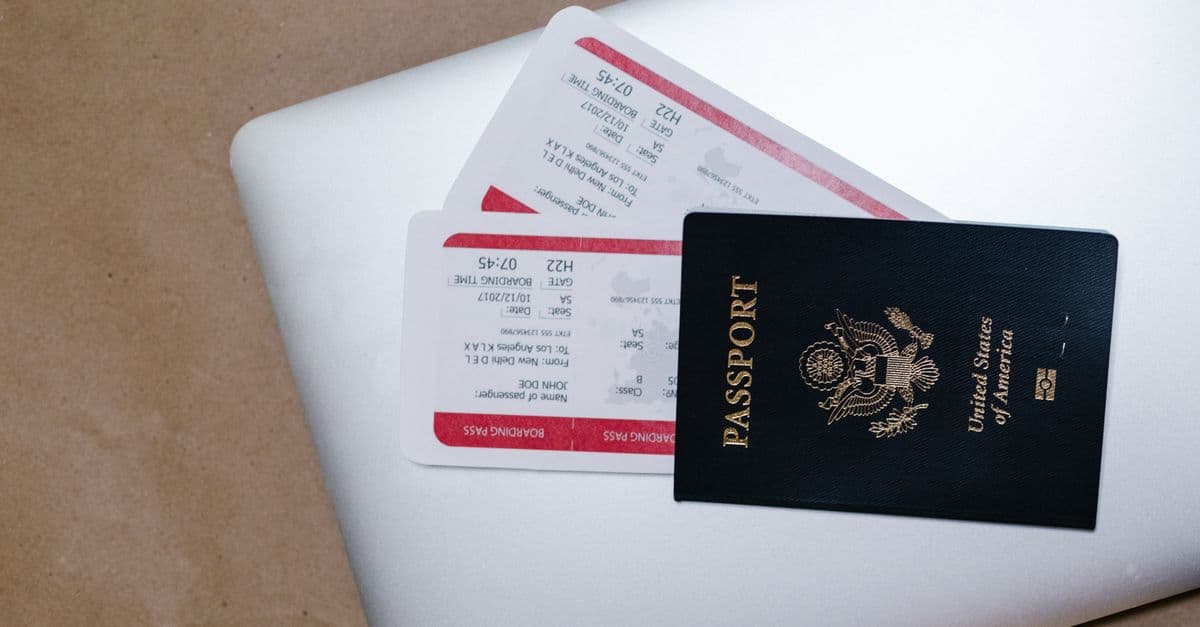
- passport and, once issued, the NIE, the Spanish foreigner identification number;
- your Swiss residence permit if you are not a Swiss citizen;
- recent payslips and the annual salary certificate if employed;
- your latest tax assessment from the canton;
- for the self-employed or company owners, accounts and tax returns for two years;
- bank and investment statements showing the deposit and costs;
- details of your Swiss mortgage, leases and other commitments;
- the reservation or purchase contract.
Documents in German, French or Italian may need a sworn translation into Spanish. Ask before commissioning one, because requirements differ between lenders.
Where Swiss buyers lose time
Most delays in Swiss cases come from the same few places:
- Translations ordered too late. A sworn translation of a tax assessment can take days. Confirm the list with the lender first, then order them together.
- Funds held in several accounts. Savings spread across deposit accounts, investment portfolios and a joint account raise questions when they move just before the transfer. Keep the statements for every step.
- The existing Swiss mortgage. Lenders add its payment to the new one, so bring the current statement and the interest terms from the start.
- A deposit deadline set before the valuation. Agree completion only once the financing timetable is clear.
Staying in Spain as a Swiss citizen
Switzerland is part of the Schengen area, and Swiss citizens benefit from the EU–Switzerland agreement on the free movement of persons, which gives reciprocal rights of entry and residence. That is different from the position of British or American buyers. Spending long periods in Spain can still have tax consequences, and registering if you stay longer is a step our partner lawyer will explain.
How RCG coordinates it
RCG Finance is a real-estate credit intermediary registered with the Bank of Spain under number E760, with an office in Salou. We prepare your file once and present it to the lenders that currently finance Swiss residents. Our team attends the notary signing in person.
Around the mortgage, we coordinate:
- our partner lawyer, for the NIE, the Spanish bank account, a power of attorney if you cannot travel, translations and the review of the contracts;
- a currency exchange partner, to convert francs into euros and provide transfer confirmations that form part of the payment trail the lender asks for. The evidence of where the money comes from remains yours.
We do not give legal or tax advice. A Swiss tax adviser will confirm how the property affects your Swiss return.
What to do next
Gather your documents with the non-resident mortgage checklist and size the cash with the purchase costs calculator. If you are still choosing where to buy, the areas guide compares prices and taxes along the coast.
When you are ready, our non-resident mortgage service puts the file in front of the lenders that work with Swiss residents.
Sources and review
Prepared by the RCG Finance editorial team (RCG 2026 S.L., Bank of Spain register of credit intermediaries no. E760) and reviewed by Rafael, founder of RCG Finance and former debt and M&A advisor at KPMG and PwC, under our editorial standards. Last source review: 22 September 2026.
- Spanish Tax Agency — Non-resident income tax rates
- Spanish Tax Agency — Imputed income on a home for own use
- Spanish Official Gazette — Spain–Switzerland double taxation convention (BOE-A-1967-3470)
- Spanish Official Gazette — 2011 Protocol to the Spain–Switzerland convention (BOE-A-2013-6151)
- EUR-Lex — EU–Switzerland agreement on the free movement of persons
- European Central Bank — Euro foreign exchange reference rates
Frequently asked questions
Can a Swiss resident get a mortgage in Spain?
Yes. Spanish lenders that work with non-residents accept Swiss residents, subject to affordability, the valuation and a complete file. Financing is typically 60–70% of the lower of price and valuation, never guaranteed.
Do Swiss residents pay 19% or 24% non-resident tax in Spain?
24%. The Spanish Tax Agency reserves 19% for residents of the EU and certain EEA states. Switzerland belongs to EFTA but not to the EEA, so its residents pay the general 24% on rental and imputed income, without deducting expenses from rent.
Can I take the mortgage in Swiss francs?
A Spanish residential mortgage is normally in euros. The currency risk then sits with you: if the franc weakens against the euro, each payment costs more francs. Plan a margin rather than relying on today’s rate.
Is my Spanish rent taxed twice?
Under the Spain–Switzerland convention, Spain can tax income from property located in Spain, and Switzerland exempts it, although it may take it into account to set the rate on your other income. A Swiss tax adviser will confirm how your canton applies it.